

300-Hour Advanced Yoga Teacher Training Certification in Stockholm
Wanna receive a recording of the philosophy session shared on our last info talk?
Is this for you?
Who is this training for?
Our 300-hour advanced training is for anyone who has completed at least a 200-hour foundational yoga teacher training (or much more!) and would like to take their teaching to the next level while deepening their own spiritual practice.
Training structure
How is the training structured?
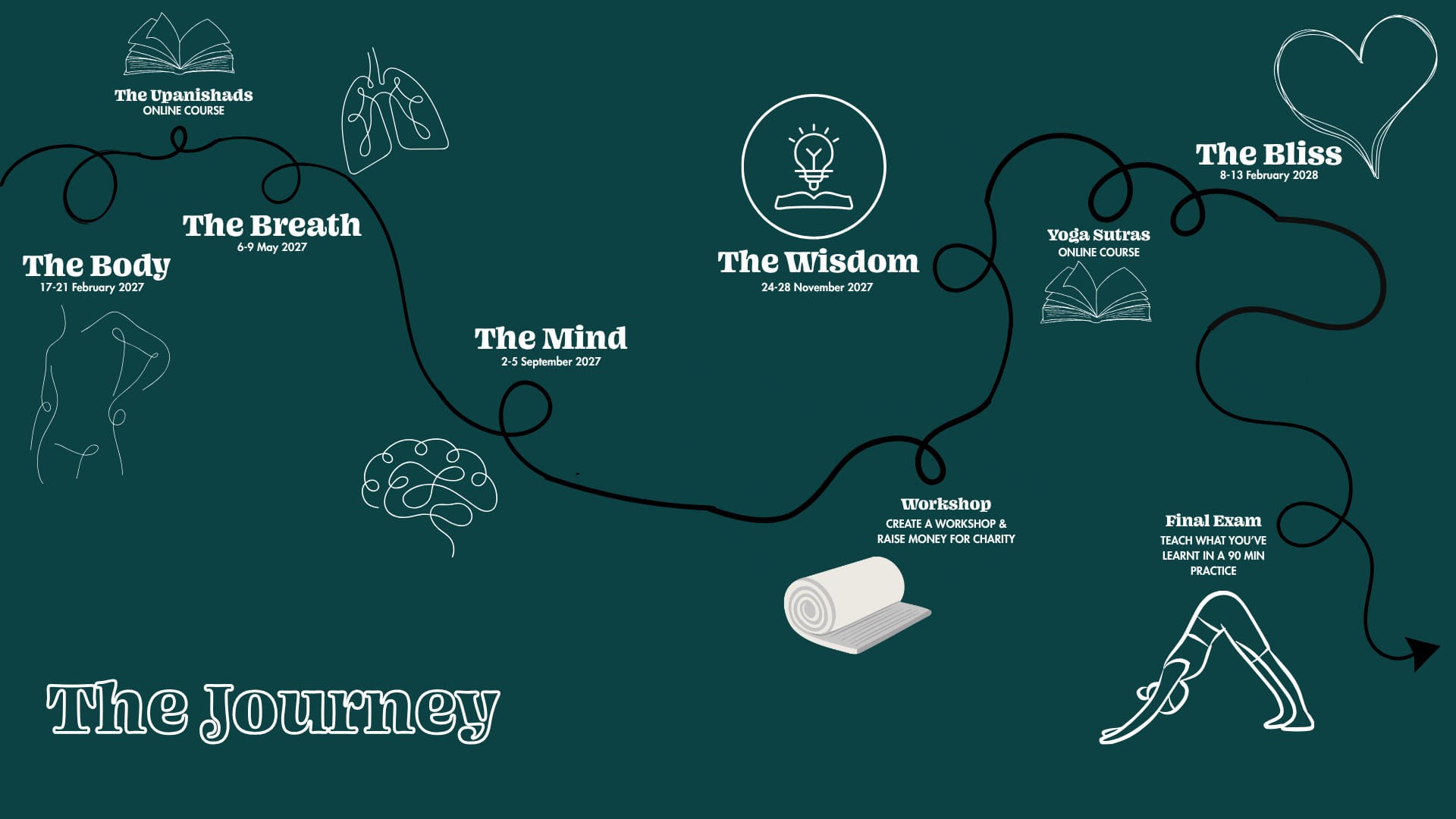
This training will take you on a one-year journey—guided by the Koshas and the Mahavidyas—broken down into five in-person modules and two online courses.
Yogic Philosophy
The
Koshas
In yogic philosophy, the Koshas are the layers of the subtle body that the Self moves through on the journey of Self-inquiry.
In this training, we will use them as a guide to learn about the layers of practicing and teaching yoga, from the physical to the blissful.
Annamaya Kosha – The Body
The most tangible layer of ourselves—skin, muscle, body, and movement.
Prāṇamaya Kosha – The Breath
The metronome of life beyond the body—breath, breathing, and the nervous system.
Manomaya Kosha – The Mind
The fluctuations inside our heads—consciousness, thinking, and identities.
Vijñānamaya Kosha – The Wisdom
The deeper intellect below the fluctuations—instinct, intuition, and true knowledge.
Ānandamaya Kosha – The Bliss
The most subtle layer—bliss, ecstasy, and union with the divine.
The Mahāvidyās
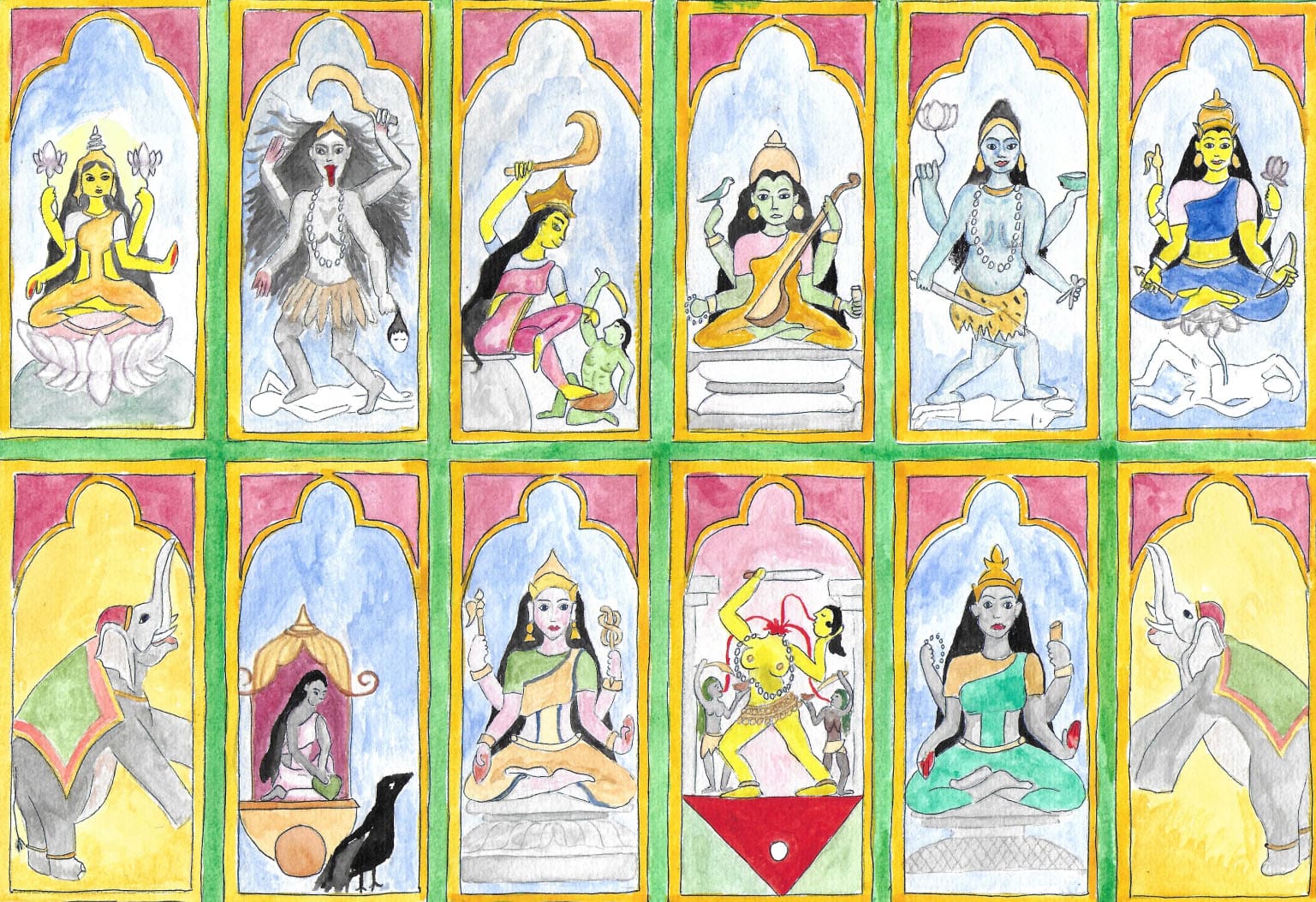
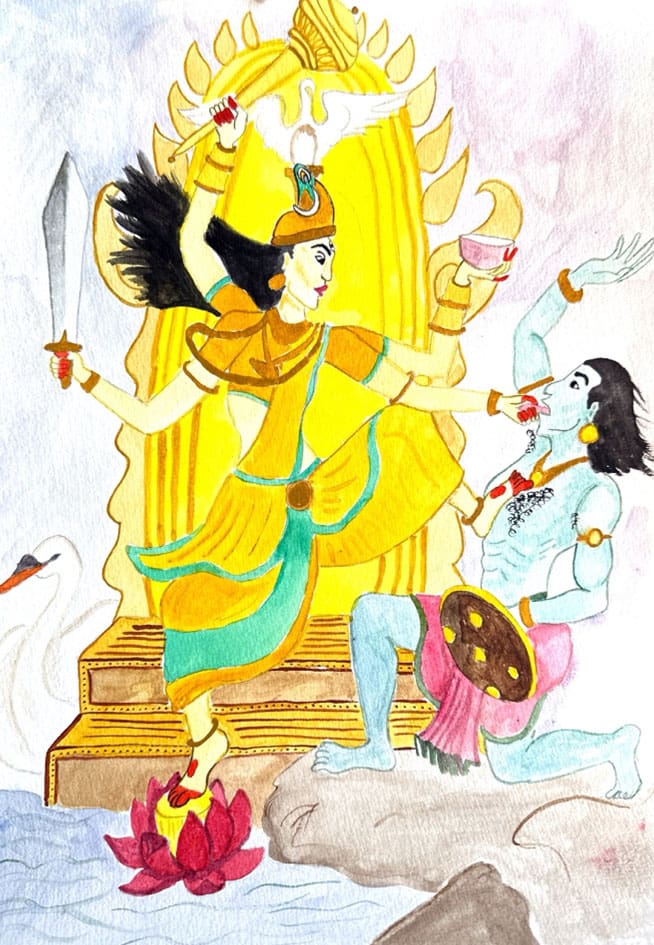
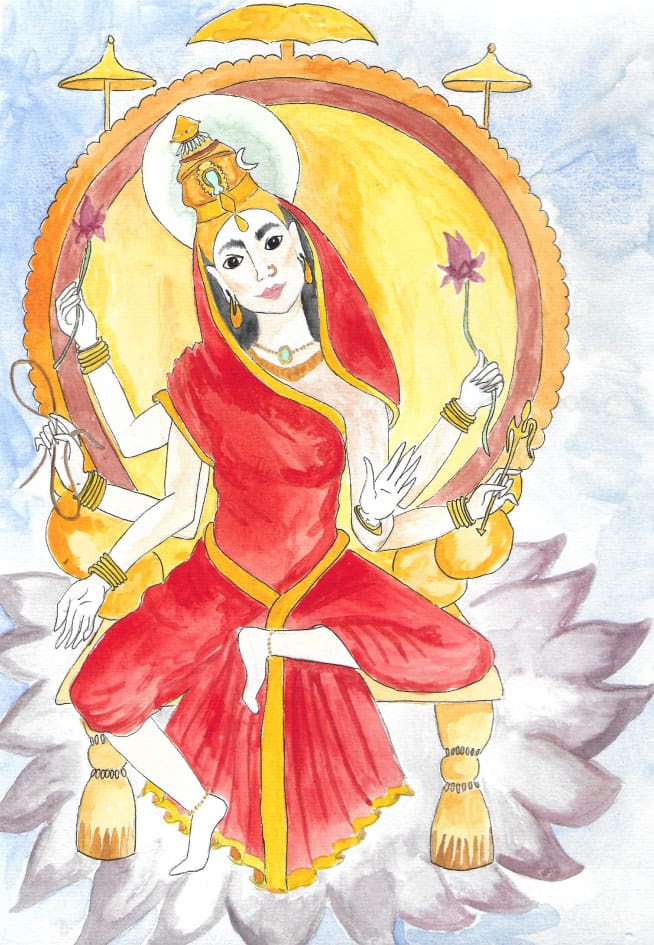
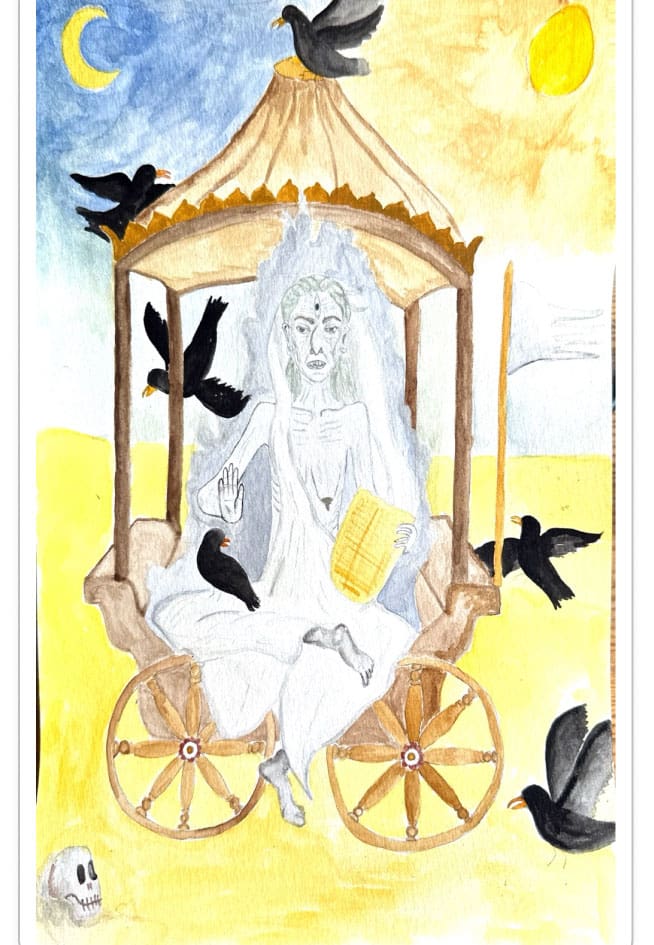
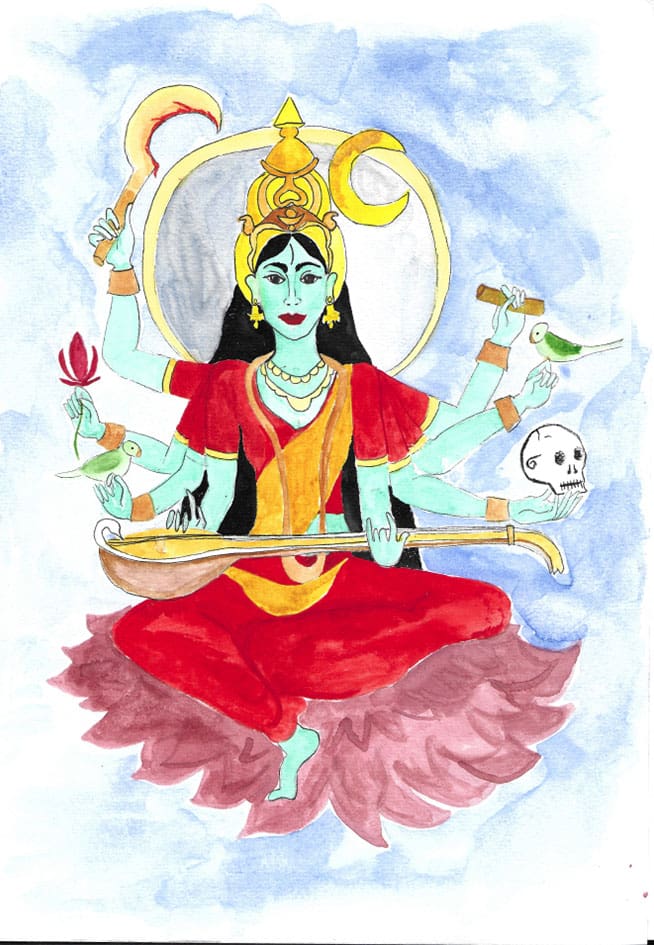
The ten wisdom goddesses of the tantric tradition guide the spiritual journey of the training, taking us from the origins of the universe (and the Self) to blissful union with the divine.
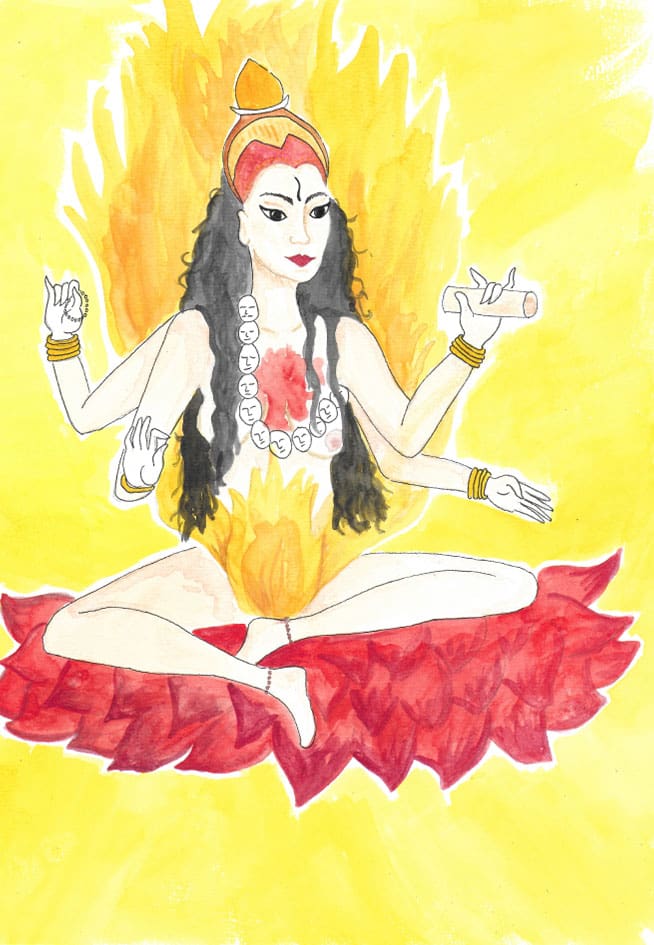
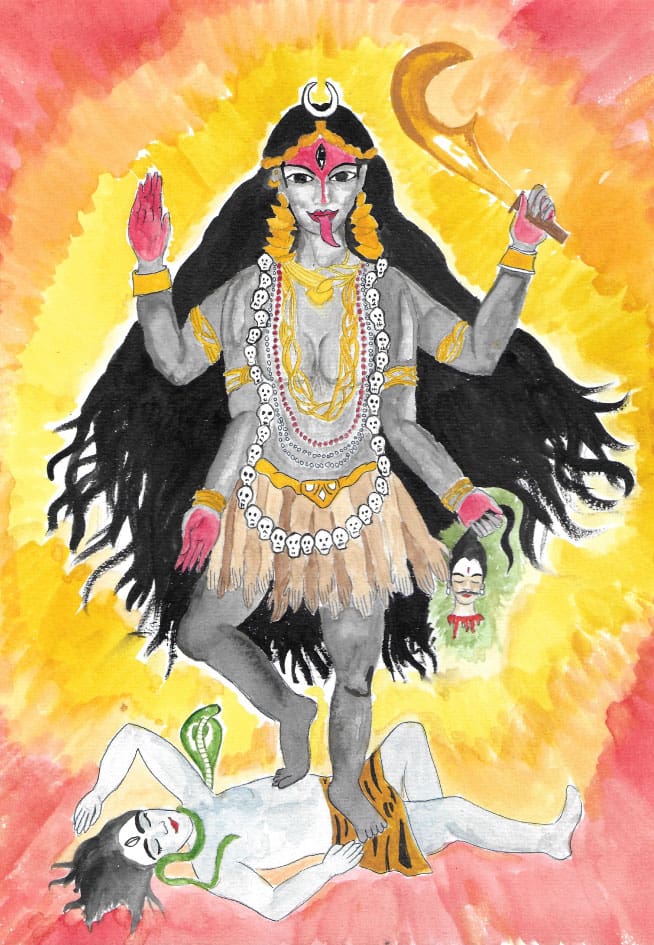
Kālī & Tārā
The fiery goddess Kali is the ignition of creation and change on the path of self-inquiry. Tara, the embodiment of Om, brings the momentum to stay the course. Together, they are the engine of the entire training.
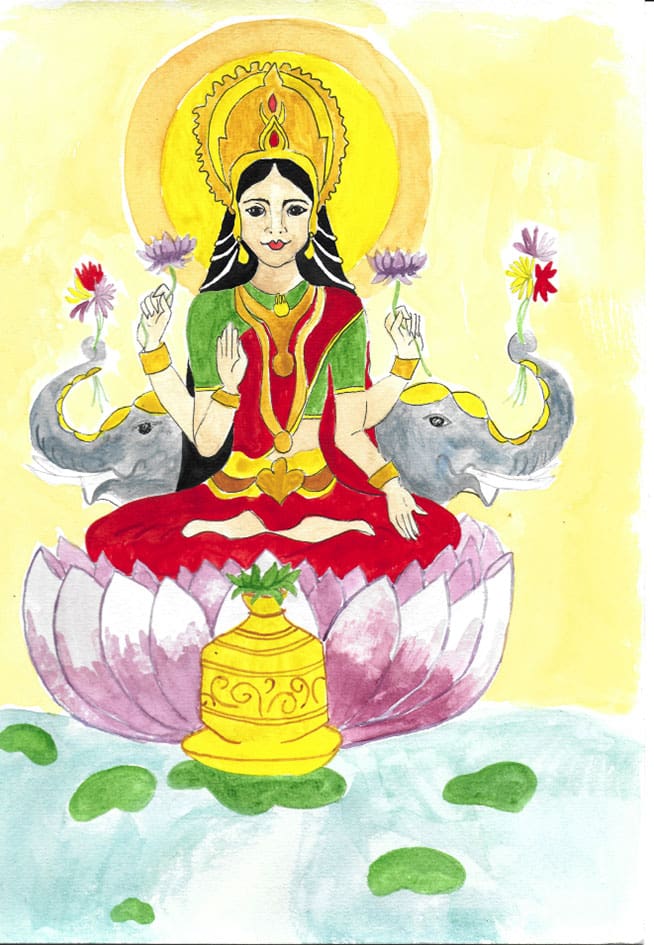
Lalita Tripurasundarī & Bhuvaneśvarī
Lalita is the desire, playfulness, and curiosity that feed the spiritual path, while Bhuvaneshvari brings the ability to manifest our spiritual desires.
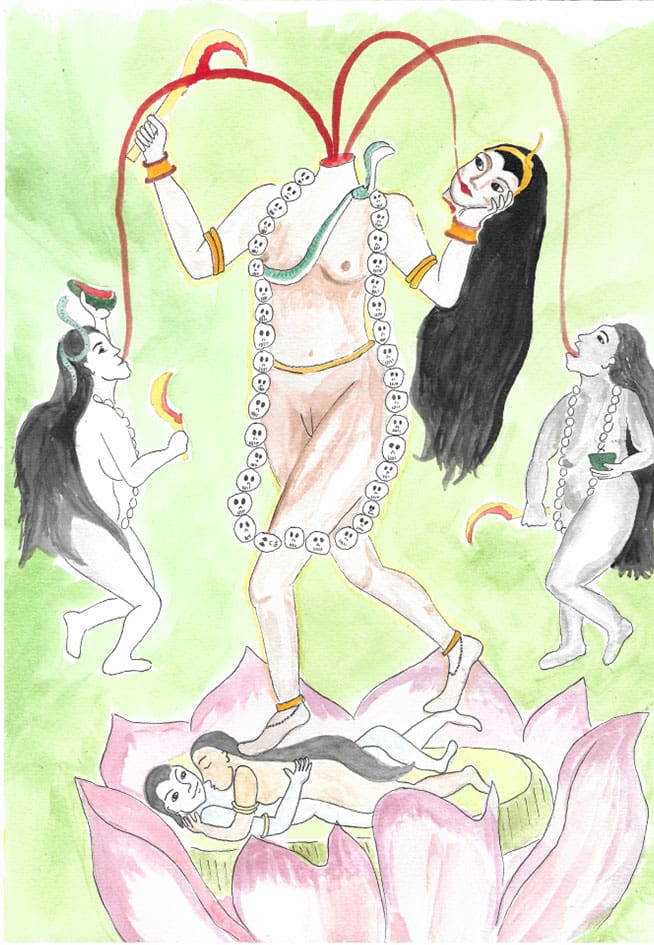
Bhairavī & Chinnamastā
Bhairavi is the fire of action and transformation, while Chinnamasta beheads the ego with fierce compassion.
Dhūmāvatī & Bagalāmukhī
Dhumavati is the void of the dark night of the soul, while Bagalamukhi gives the ability to act with precision at the right moment.
Mātaṅgī & Kamalātmika
Matangi brings the grit and daily discipline needed on the spiritual path, while Kamala is the blissful fruit that the path bears.
Schedule
What is the curriculum and schedule?
Over five in-person modules and two online courses, you will gain deeper knowledge of asana, pranayama, meditation, restorative yoga, yoga nidra, and more. In order to ground these aspects in the body, each day of every module begins with singing mantra together followed by a physical asana practice inspired by the module’s mahavidyas. After completing all the modules, you will also host a workshop or course with a buddy in the training, as well as teach a 90-minute themed class at Yoga Folks in order to receive a 500-hour certificate.
In-person modules
The Body – February 17-21
Annamaya Kosha | Kālī & Tārā
An exploration of asana, assisting, biomechanics, anatomy, and alignment.
The Breath – May 6-9
Prāṇamaya Kosha | Lalita Tripurasundarī & Bhuvaneśvarī
Uncovering pranayama, breathwork, the evolution of breath, and the anatomy of breathing.
The Mind – September 2-5
Manomaya Kosha | Bhairavī & Chinnamastā
Delve into consciousness through dynamic meditations, the mind-body connection, and the voice as an expression of Self.
The Wisdom – November 24-28
Vijñānamaya Kosha | Dhūmāvatī & Bagalāmukhī
Return to stillness through mindfulness meditation, the nervous system, yin yoga, and yoga therapy tools.
The Bliss – February 9-13
Ānandamaya Kosha | Mātaṅgī & Kamalātmika
Retreat module—discover the power of rest through restorative yoga, yoga nidra, mantra, ritual, and self-inquiry.
Online courses
The Upaniṣads
Over six online sessions, we will read and dissect the principle Upaniṣads. Each student will choose an Upaniṣads to explore and present on, as well as guide the discussion.
The Yoga Sūtras
Under the expert guidance of Satyadev Barman, we will explore the central text of yoga—The Yoga Sūtras of Patanjali. This course takes a more traditional academic lecture form, allowing students to fully intellectually immerse themselves.
Workshop & final class
Workshop or Course
With a friend in the training, you will formulate, refine, market, and teach either a 2.5-hour workshop, or a multi-class course, on a theme of your choice. All proceeds will go to a charity of your choice.
Final class
After the completion of all modules, you will teach a 90-minute themed class at Yoga Folks.
Deep study
Self-guided study
The journey of the 300-hour training is really one of self-inquiry. In the spirit of that intention—and to ensure we all enter the modules with the same foundation—self-guided study is an integral part of the training. This is not merely homework, but deep study to interact with complex ideas and immerse yourself in diverse teaching and practices. Self-guided study takes the form of podcasts, readings, pre-recorded lectures, and short-form writing done before the module. The intention is not to add more things to your to-do list, but rather to swap out screen time and scroll time with something more nourishing and meaningful.
Testimonials
Beyond teaching…
Emma Clara
My 300-hour journey gave me an incredible amount in my role as a teacher. But above all, it helped me grow as a person in the way I relate to my body, my breath, my thoughts, and my very being.
The training’s structure, with the different modules spread out over a year, was highly beneficial, as it allowed the information to truly settle and become integrated within me as a person, as well as in my teaching.
I feel strengthened by a new sense of confidence, deeper knowledge, and experience. And last but not least, by a wonderful sense of community.
Mattias
This advanced 300 training is much more than just a yoga teacher training.
It is an investment in yourself where you will have AHA-moments, feel strengthened, challenged and sometimes a little uncomfortable – in a good way.
I cannot recommend it enough. You will come out of it with new perspective not just on yoga but on life.
Lovisa
What I love the most about the training is how it is both personal yet professional at the same time, filled with humor and profound knowledge. One thing I especially appreciate is how the training blends modern-day life with ancient teachings in an accessible way. Each module is carefully planned, which helped me understand the koshas on a deeper level.
I learned so much, and this training has given me both confidence and better tools for my own teaching. I genuinely feel like a better version of myself because of it.
Book a call
Want to learn more?
Book a 15-minute call with head teacher Josephin Westerlund.
The program
The curriculum in depth
The full syllabus of the training, so you know exactly what you’re signing up for.

Annamaya Kosha | Kālī & Tārā
February 17-21, 2027
Wednesday to Sunday
Hours of self-guided study: ~10 hours
Teachers: Josephin Westerlund & Petra Kalla
The Body Module explores the Annamaya Kosha—the physical body—and how to best support and guide the most physical and tangible part of ourselves. In the physical plane, you will learn how to appropriately support and assist foundational and advanced asanas, both when static and in motion. We will also dive into physical anatomy, with a particular focus on the pelvic floor and spine, skeletal variations, biomechanics, and the anatomical planes of the body.
The Mahāvidyās Kālī and Tārā are the spiritual guides of this module. Through them we will explore and embody the ultimate reality of existence and the spiritually transforming possibilities of the body.

Prāṇamaya Kosha | Lalita Tripurasundarī & Bhuvaneśvarī
May 6-9, 2027
Thursday to Sunday
Hours of self-guided study: Daily pranayama practice + ~10 hours
Teachers: Josephin Westerlund, Lisa Åkesson & Viktor Westerlund
The Breath module is guided by the Prāṇamaya Kosha—the breath body—and the access it gives us to our nervous systems to more deeply understand (and connect with) ourselves. The module will explore both traditional yogic prāṇāyāma practices and introduce other forms of breathwork. In this module you will learn about to the anatomy and physiology of the breath—including skull development, sleep, and the history of breathing—as well as get an introduction to sound and vibration as complementary modalities to your practice and teaching.
The Mahāvidyās Lalita Tripurasundarī and Bhuvaneśvarī are the guides of this module. Through them we will explore the flow of shakti that connects mind and body through breath, and cultivate inner spaciousness to understand ourselves on a deeper level.
Manomaya Kosha | Bhairavī & Chinnamastā
September 2-5, 2027
Thursday to Sunday
Hours of self-guided study: ~20 hours (over summer break)
Teacher: Josephin Westerlund & Lisa Åkesson
In The Mind module, we will uncover the layers of the Manomaya Kosha—the mind body—through yogic science of the mind and explorations of the voice and moving meditations. These meditations include moving, shaking, dancing, and other forms of free movement to prepare the body and mind for stillness and self-inquiry. Through voice practices you will begin to find bravery in self-expression and how to use the voice as a means of self-care.
In this module we will also dive deep into sequencing, including how to find inspiration and overcome sequencing fatigue. You will also formulate your blueprint class—the sequence that feels truest to who you are as a teacher.
The Mahāvidyās Bhairavī and Chinnamastā are the guides through this module of deep inner transformation. Through them we will dive into the fiery discipline that leads to spiritual evolution and bravely examine (and disrupt) our egos.

Vijñānamaya Kosha | Dhūmāvatī & Bagalāmukhī
November 24-28, 2027
Thursday to Sunday
Hours of self-guided study: Daily meditation + ~10 hours
Teachers: Josephin Westerlund, Petra Kalla & Elinor Jägerstedt
The Wisdom module uncovers the Vijñānamaya Kosha—the wisdom body—and takes you on an inner journey to tune into your innate wisdom beyond the fluctuations of the mind. In this module, we will explore a variety of seated meditation techniques from both the yogic and Buddhist traditions. To support these stillness practices, you will also get an introduction to yin yoga, Chinese medicine, and yoga therapy, including how to adapt the practice physically and emotionally to the needs of the students in your space.
The Mahāvidyās Dhūmāvatī and Bagalāmukhī are the guides of this module. Through them we will explore deeper modes of awareness and the raw wisdom that is revealed when all illusions fall away.
Ānandamaya Kosha | Mātaṅgī & Kamalātmika
Retreat module | February 9-13, 2028
Wednesday to Sunday
Hours of self-guided study: ~10 hours
Teachers: Josephin Westerlund & Satyadev Barman
After traveling through all the other subtle bodies, we finally arrive at Anandamaya Kosha—the bliss body. In this residential module, we come together to rest. Through yoga nidra and restorative yoga, we will explore the blissful power of rest and doing less, spiritually and physically. We will also take advantage of the extra time together to come together for rituals, satsangs, singing, and kirtan.
The Mahāvidyās leading us into bliss are Mātaṅgī and Kamalātmika. Through them we will dissolve inner fragmentation, cultivate unity, and finally experience the non-dual bliss of ultimate reality.
The online courses
To complement the five in-person modules, we will study the Upaniṣads and the Yoga Sūtras together in pre-recorded and live online sessions.

A 6-session introduction to ancient wisdom
Guided by Josephin Westerlund
In six sessions held over 12 weeks in the Spring we will come together online to read and discussion the ancient yogic text The Upaniṣads. Each student will be responsible for presenting on and hosting a discussion about one Upaniṣad. This is a chance to dive deep into the philosphy and wisdom of these texts, and practice stepping into teaching aspects of yoga beyond asana.
A 6-session introduction to the philosophical origins of yoga
Taught by Satyadev Barman
In six sessions led by lifelong student of yogic philosophy, Satyadev Barman, we will come together both online and in person to explore the timeless wisdom of the Yoga Sūtras. This course is lecture based, as is traditional when exploring this text for the first time. For our first session, we will meet in-person at Yoga Folks; the four subsequent sessions will be held online, before culminating in a final lecture during The Bliss module.
Yoga Folks
The teachers
A training is only as good as its teachers. And we’ve got some good ones.
Assistants
To ensure that you (and our lovely teachers) always feels supported, we will be joined by two amazing assistants so you always feel well-cared for emotionally and academically.
Price
The investment
Tuition includes:
– An unlimited membership at Yoga Folks from sign up until last day of the training
– 10 hours of mentorship with lead teacher Josephin
– 5 training manuals
We offer three ways to pay the tuition for the 300-hour journey, but please reach out to us if you would like a different solution. We always do our best to support you and to not let finances be the thing that holds you back.
If you’re a graduate of our 250-hour training, you’ll get an extra 5,000 SEK off.
Full tuition
60,000 SEK
A one-and-done payment at time of registration
3 installments
of 18,750 SEK
For a total of 61,250 SEK
5,000 SEK is paid upon registration and the remaining installments are paid throughout the training
6 installments
of 9,600 SEK
For a total of 62,600 SEK
5,000 SEK is paid upon registration and the remaining installments are paid throughout the training
Need more inspiration?
Here’s a glimpse at some of what you’ll be learning on your 300-hour journey.
The Ten Mahāvidyās
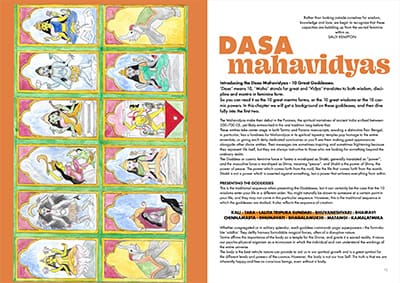
Introducing the Dasa Mahavidyas
‘Dasa’ means 10, ‘Maha’ stands for great and ‘Vidya’ translates to both wisdom, discipline and mantra in feminine form.
So you can read it as the 10 great mantra forms, or the 10 great wisdoms or the 10 cosmic powers. In this chapter we will get a background on these goddesses, and then dive fully into the first two.
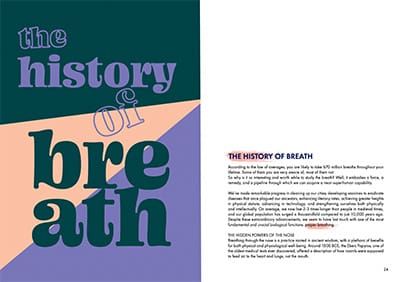
History of the Breath
The History of Breath
According to the law of averages, you are likely to take 670 million breaths throughout your lifetime. Some of them you are very aware of, most of them not.
So why is it so interesting and worth while to study the breath? Well, it embodies a force, a remedy, and a pipeline through which we can acquire a near-superhuman capability.
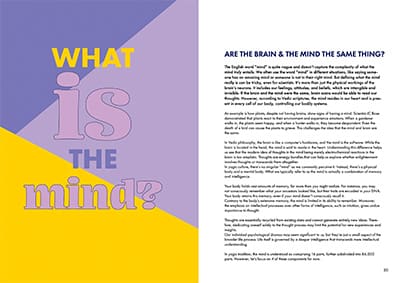
What is the mind?
Are the brain & the mind the same thing?
The English word “mind” is quite vague and doesn’t capture the complexity of what the mind truly entails. We often use the word “mind” in different situations, like saying someone has an amazing mind or someone is not in their right mind. But defining what the mind really is can be tricky, even for scientists.
The 300-hour Training
Ready to apply?
We’d love to have you on this journey. Just fill out the application to make sure we’re a match made in moksha.