Plank Pose: The Beloved
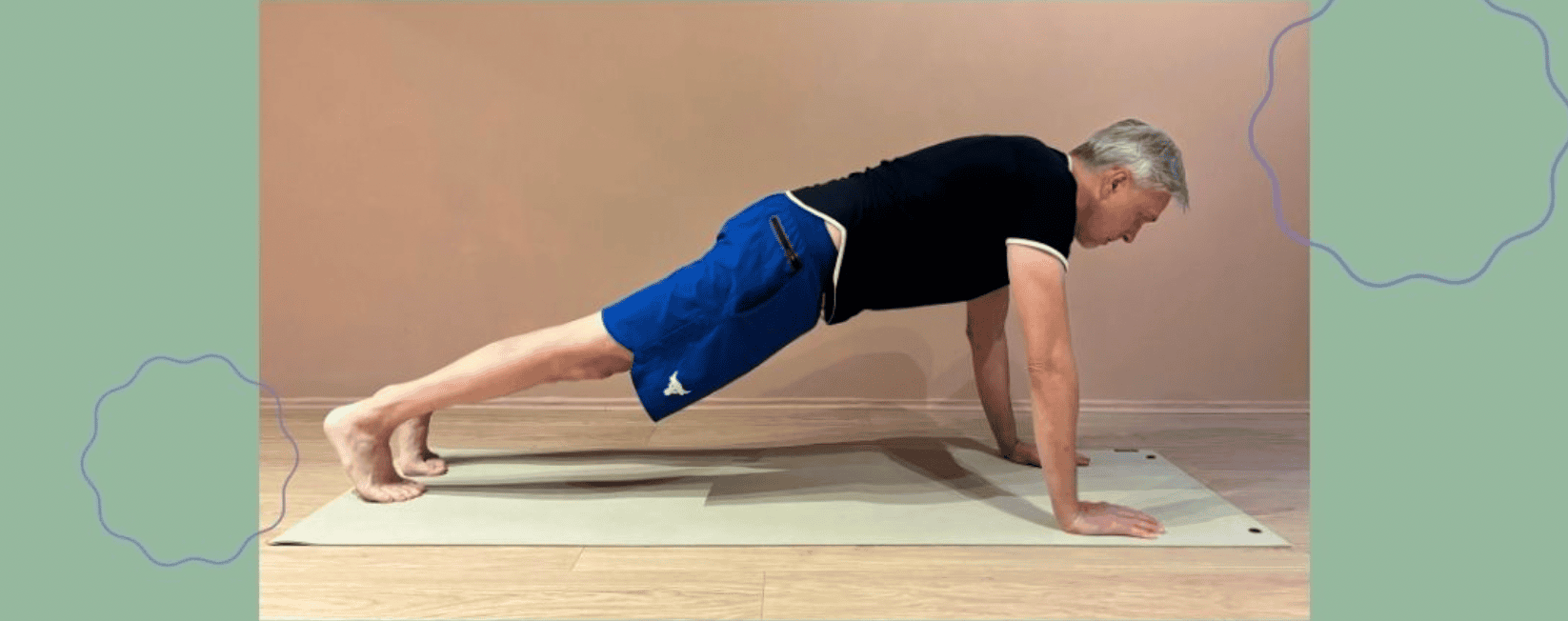
At first glance, Phalakasana looks rather uncomplicated. Four points of contact, one long line, and a seemingly innocent instruction: hold. But there’s considerably more intelligence in this shape than meets the eye.
फलकासन — Phalakāsana
Phalakasana is a beautiful study in whole-body organisation. The hands press into the ground, the shoulders stabilise, the legs create length and support, while the trunk coordinates all of it. The core certainly has a role to play, but think less “brace everything as hard as possible” and more “let the body organise itself to create stability.”
Don’t forget to breathe
The diaphragm is part of that conversation too. Rather than sacrificing the breath in pursuit of a perfectly rigid shape, let it stay steady and three-dimensional. Strength and respiration aren’t competing for attention here; they’re designed to work together.
There’s no single “perfect” plank
Skeletons, proportions, and joint structures differ from person to person, so the most useful alignment isn’t a fixed template, it’s whatever helps a particular body create strength without unnecessary strain.
A few cues to work with:
Press the floor away
Reach through the heels
Engage the thighs
Find length through the crown of the head
Breathe
About that shaking
When the chihuahua-shaking begins, don’t panic at the disco. It’s just a reminder that you’re very much alive.
Now hold that thought, and the plank!
Want to build strength like this in community? Find a class on the schedule.